
Changes due to the one-way deposit
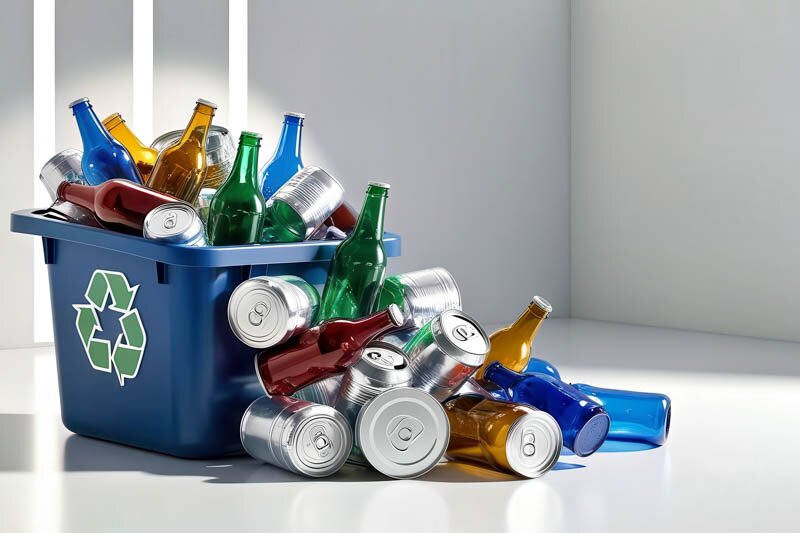
The deposit on glass bottles, crates, barrels, or other packaging has a long tradition in Austria. Previously, in terms of value added tax (VAT), the deposit for such reusable packaging shared the fate of the delivery of the contents. The sale of the goods and the provision of the so-called product packaging constitute a single service. The buyer only receives the goods if, in addition to the purchase price, they also pay the deposit for the reusable packaging. The consideration therefore consists of the price of the goods and the deposit and is subject to VAT. If the product packaging is subsequently returned, this constitutes a reduction in consideration.
However, from 1 January 2025, in addition to the previously known reusable deposit, Austria will also introduce a new so-called single-use deposit of 25 cents for all sealed beverage containers made of plastic or metal with a filling volume of 0.1 to 3 litres. Excluded from the new single-use deposit regulation are, for example, beverage composite cartons (Tetra Pak), beverage bottles made of glass/metal with plastic caps, packaging for milk and milk mixed drinks, or, for instance, syrups. The deposit also applies to purchases via a drinks machine, as part of food deliveries, or for purchases made online. In principle, all points of sale that issue single-use deposit packaging have a take-back obligation. In frequently visited locations such as train stations, airports, shopping centres, or shopping streets, it is also possible to set up a joint take-back point in close proximity. The new single-use deposit will be collected in the name and on account of the central body and also remitted to it. Therefore, it does not represent a taxable fee for services. It must be shown separately from the other fee on the invoice and is not subject to value-added tax.
So it will take some time for retailers and consumers to get used to this different treatment of deposits, not least because, for example, the deposit on canned beer is treated differently from that on bottled beer.
Image: © Plumeria - stock.adobe.com
© ebit Steuerberatung GmbH | Client Information