
Tax Reform 2015/2016 - initial overview of planned changes
Nach langen Verhandlungen haben sich die Koalitionspartner auf ein Tax reform package agreed and the cornerstones presented to the public on 13 March 2015. On 17 March 2015, an Cabinet resolution included in this. Heartpiece of the tax reform on the Relief page – with the exception of the tax increase for income above €1,000,000 – Income tax rate reductions. Instead of four levels are now seven tariff levels provided for, with the first €11,000 remaining tax-free. In detail, the new tariff model, which from 2016 shall apply as follows:
| New | Alt | ||
| Ranges up to € | Tax rate | Ranges up to € | Tax rate |
| 11.000 | 0% | 11.000 | 0% |
| 18.000 | 25% | 25.000 | 36,50% |
| 31.000 | 35% | 60.000 | 43,21% |
| 60.000 | 42% | about it | 50% |
| 90.000 | 48% | ||
| 1.000.000 | 50% | ||
| about it | 55% | ||
The new Maximum rate of 55% was released as Five-year fixed-term measure announced - the increased revenue is to be used for a Austria Fund for research and educational measures. On average is done by the Flattening of the progression with a Relief around €1,000 annually for each taxpayer.
Furthermore, there are still further relief Planned
- Increase of Child allowance from €220 to €440 per child (if both parents claim, the amount is €264 per person);
- Employee tax credit to go in the Traffic deduction to be integrated and will in future amount to a total of €400 instead of the previous combined €345;
- Increase in the negative taxSocial security reimbursement) for low earners from €110 to €400 (implementation is to be achieved by introducing a automated employee tax assessment succeed/succeeding;
- Negative tax allowance for low pensions of up to €110;
- Increase in commuter allowance for low-income commuters.
Measures to promote economic growth are unfortunately only found sporadically in the tax reform package. and concern the following measures:
- The research location should be by a Increase in research premium by 10% to 12% as well as Relocation benefits for scientists and researchers to be strengthened.
- Increase in tax-free employee share ownership from €1,460 to €3,000.
- Relief The Funding options for SMEs, for example by creating frameworks for Crowdfunding.
- Reduction The Employee associated costs by reducing the contribution to the family burden equalisation fund (from 2018).
The tariff reduction, as well as the other improvements, are primarily intended to be achieved through Wealth taxes, reinforced Fraud prevention and through the Cancellation of benefits be funded.
Increase in capital gains tax
The Capital gains tax is to be changed from the current 25% raised to 27.5% are. This means, for example, that profits of corporations distributed to natural persons will in future be subject to a Tax burden from a total of 45.625% are subject to (previously 43,75%). Only for Interest from savings accounts and current accounts explicit further the withholding tax amounting to 25% foreseen. Whether there will also be an increase in capital gains tax on capital gains, donations from foundations etc. is still uncertain.
Increase in property income tax
significant deterioration could occur in the Property income tax arrival. Besides the planned Increase the tax rate of 25% applicable to the sale of land to 30% is also being considered, the Basis for calculation for taxation broaden. This could lead to the favouring of Inflationary abatement in future abolished will become.
Transfer tax on the market value even within the family – a „hidden inheritance tax“?
The recent regulation of the real estate transfer tax, stipulating that favourable transfers at triple the standard value are now only possible within the family, is not that long ago. Now, in individual cases from 1 January 2016, this can lead to significant deterioration Come. Planned is, namely, the application of the Market value (instead of the triple unit value) at Gratuitous transfers of property within the family, whilst the preferential tariff rate previously set at 2% is also being replaced by a Staged tariff is to be replaced. The Staged tariff is dependent on the market value and amounts to from €0 to €250,000 0,5%, from €250,001 to €400,000 2% and over €400,000 3.5%. As the new regulation, for example. Gifts within the family concerns, it should be considered if, where appropriate, Gift into the more tax-favourable year of 2015 should be preferred. However, when gifting property, one must also consider Civil legal consequences to be taken into account accordingly and your own position (as donor) through Reservation of usufruct and/or right of residence as well as by the entry of a Prohibition of Encumbrance and Disposal be secured.
Fortunately, the Allowances for transfers of business properties or real estate, previously €365,000 increased to €900,000 possible. The prerequisite for this is Age-related gratuitous transfer within the family association. For assets exceeding the tax-free allowance, the land transfer tax rate of 3.5% is to apply.
Increase in VAT
Certain transactions previously subject to the reduced VAT rate of 10% are to increased to 13% become. This concerns revenue relating to live animals and animal feed, plants, seeds, and timber, Accommodation, cultural services, air traffic, youth care, swimming pools, museums, film screenings, etc. System-related should also the sale of Ab-Hof-Weinen to be increased to 13% (from 12%).
Enhanced fraud prevention – „Compulsory cash register“
The obligation to record revenue by means of Cash registers, which prevent manipulation through technical security solutions, is to represent a significant step towards Fraud prevention and consequently Tax revenue to represent. In principle, the idea is that in the future Recording sales from the first euro individually businesses which record predominantly cash sales should ab a Net turnover of €15,000 per year Compulsory Cash registers for individual recording. After all, it is intended that the Purchase of a cash register with a Premium from up to €200 which is supported and the costs can be tax-deducted in the year of purchase.
Beside the till obligation, also a Ban on cash payments between entrepreneurs in the Construction industry – with the exception of minor amounts – to Containment of fake invoices and thus contribute to fraud prevention. Furthermore, Account query options for the tax authorities (in the context of duty law examinations) and Reporting obligations of banks regarding higher capital outflows abroad envisaged. The exemption from penalties by Voluntary disclosure through the account query facility unaffected become.
Cancellation and restriction of benefits
The maximum tax-free benefit in kind for private use Company cars should be €720 per month increased to €960 to become, in the future for high-polluting cars (120g CO2/km) 2% instead of 1.5% of the value being taxed as a benefit in kind. On the other hand, Company cars with electric motors no taxable benefit in kind trigger.
Instead of the previous differentiation by usage type (direct operational purpose, other operational purposes, non-operational), a standard depreciation rate of 2.5% for the Depreciation of buildings provided for. Additionally, it should lead to a Extension the distribution deadline for Repair costs from 10 to 15 years when it comes to business and private assets.
The so-called pot-Special editions are to be phased out in the future, whereas for pre-existing contracts A maximum of 5 more years Special expenses can be claimed as tax-deductible. Education allowance or bonus shall also cancelled become.
The draft bill for the tax reform is scheduled to be presented at the beginning of May 2015. This will be followed by a review period lasting several weeks. The further plan envisages that the government's proposal for the tax reform must be passed by 16 June 2015 in order to go through the parliamentary legislative process before the summer recess at the end of July 2015. Entry into force of the tax reform according to current information mostly for 2016 scheduled. The Increased VAT rate for Accommodation services (13% instead of the previous 10%) is, however, not due to take effect until after the 2015/16 winter season and therefore from 1 April 2016 apply. However, the possibility for tax authorities to query accounts could already be introduced retrospectively from 1 March 2015. We will keep you informed about the further legislative process.
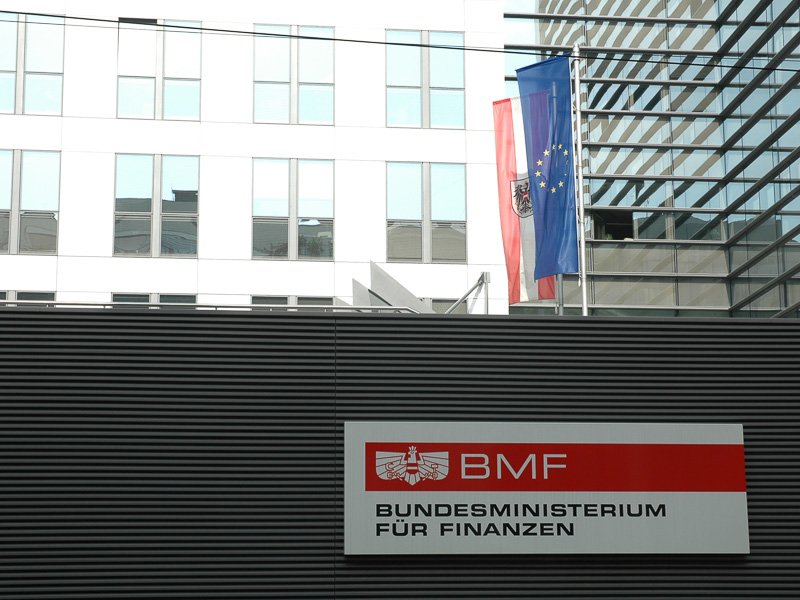
Image: © Anna Blau - BMF
© ebit Steuerberatung GmbH | Client Information