
Maintenance costs after the rental agreement is terminated are not tax-deductible
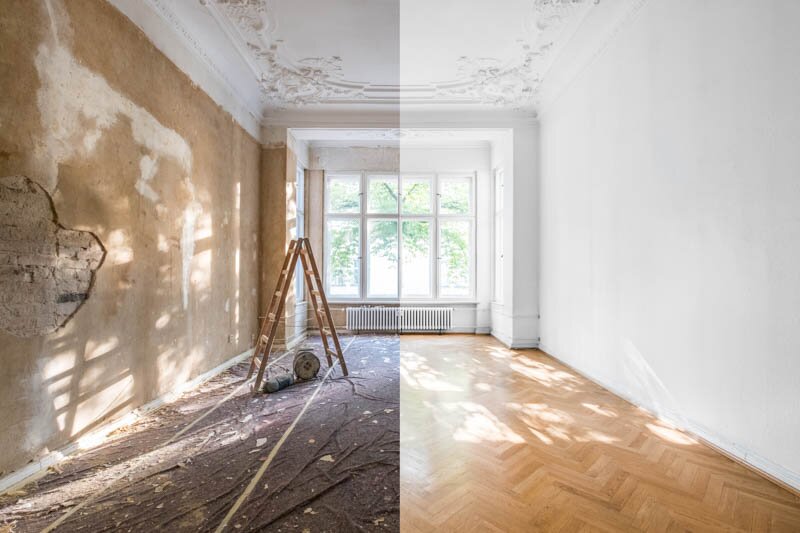
The BFG had to deal with a situation in which an apartment had been rented for residential purposes for around 20 years and accordingly income from rental and leasing had been generated. After the last tenant moved out (at the end of August 2015) – the apartment was in need of renovation due to the long duration of the lease – some renovation work was carried out in the apartment towards the end of the year (replacement of bathroom fixtures, renovation of plumbing and electrical installations, painting and renovation of the tiles). The apartment owner wanted to deduct the costs incurred in this respect of around €50,000 as maintenance costs and thus as advertising costs and also claimed the input tax credit. What was significant in this case was that after the renovation the apartment owner handed the apartment on to his son in the Schenkungswege property, and this son subsequently used the apartment for private residential purposes. The transfer of ownership to the son in the form of the gift was motivated by the need to contribute more tax-efficiently than would have been possible after the change in the legal framework regarding the land acquisition tax, which took place shortly before the end of 2015.
As part of the decision-making process, the BFG thoroughly considered the chronological sequence of the rental activity, including termination, renovation of the apartment, and the transfer of the apartment. The lease was terminated by the tenant on August 31, 2015 – the renovation work took place mainly in November and December 2015. The apartment was transferred to the son with a gift deed dated December 17, 2015, whereby the father had not granted any right to enjoyment of the fruits of the apartment. In May 2016, the son finally moved into the newly renovated apartment and reported his main place of residence in that apartment on December 29, 2016.
The former apartment owner argued for the claim as advertising expenses (or the pre-tax profit) on the grounds that the advertising expenses incurred were causally related to the (former) rental income received. Moreover, at the time of the decision to renovate, he had assumed that the rental activity would continue. The tax office, however, was of the opinion that the costs incurred during the renovation were solely related to the gift of the apartment to the son and thus the renovation was carried out for private reasons. The private reasons lead to the fact that the costs are not entirely deductible from income and no tax credit can therefore be claimed. Furthermore, no serious intentions on the part of the former apartment owner to rent the apartment out in the future were apparent.
The BFG emphasized - also citing the case law of the VwGH - that the concept of advertising costs is far too broad for income from rental and leasing, and that expenses can also be advertising costs even if they do not generate any income at the moment. However, an important prerequisite for this is that serious intentions to achieve positive income in the future can be considered clearly proven. The taxpayer's decision must be clearly and unequivocally made known to the outside world - a mere stated, not externally manifested, intention to rent the property, however, is not sufficient. If the decision is made while a revenue-generating activity is interrupted, and the property is not to be used further for revenue generation, but, for example, to satisfy one's own living needs, the expenses for the property are no longer advertising costs from that point on. Expenses that relate to the period after the cessation of rental activities may also not constitute subsequent advertising costs.
Ultimately, the BFG denied the advertising expense deduction for the renovation work, since the alleged intent to rent the property is not sufficient if it is not directed outward – there was no clear and visible decision to continue renting the apartment after the end of the last lease agreement. It is therefore not clear why neither after the tenant terminated the lease nor during the renovation of the rental property a real estate agent was hired to find a (new) tenant for the renovated apartment. Likewise, advertisements were not placed in print or online media. Furthermore, the BFG doubted the spontaneous decision to donate the property to the son due to tax considerations regarding the purchase of real estate. Since the donation agreement dates from December 17, 2015, corresponding considerations must have been made even before then, especially since there was a large influx of applications for donations towards the end of the year 2015. There was no transfer of property that could have been guaranteed in a spontaneous action without doubt that the transfer of ownership would have taken place in time before the end of the year. Furthermore, the tax deduction was denied, since upon termination of the last lease agreement, there was no longer any entrepreneurial activity and the expenses claimed were therefore not incurred by the company.
Image: © Adobe Stock - hanohiki
© ebit Steuerberatung GmbH | Client Information